
 Available in US
25+ Proven Valorant Betting Tips & Strategies for 2026
Betting on Valorant without a systematic approach is just expensive entertainment. I’ve watched countless people lose money despite knowing the game intimately, understanding team dynamics, and following the competitive scene religiously. Their problem wasn’t knowledge it was the absence of structured strategies for converting that knowledge into profitable betting decisions.
The gap between casual bettors and those who consistently profit isn’t massive. It’s not about having insider information or sophisticated mathematical models. The difference comes down to discipline, process, and knowing which factors actually matter versus which ones just feel important. Most losing bettors make the same handful of mistakes repeatedly while convincing themselves they’re just unlucky. Meanwhile, winning bettors follow proven strategies that minimize emotional decisions and maximize edge identification.
This guide compiles strategies that actually work for Valorant betting in 2026. Not generic advice that applies to any esport, but specific tactics tailored to Valorant’s unique characteristics the economic system, agent dynamics, map pool diversity, regional playstyle differences, and tournament structures. Some strategies focus on pre-match analysis, others on live betting, several address bankroll management and psychology. Whether you’re currently losing and need a complete overhaul or you’re break-even and seeking refinement, there’s actionable information here that’ll improve your results.
Map Pool Analysis as Your Foundation
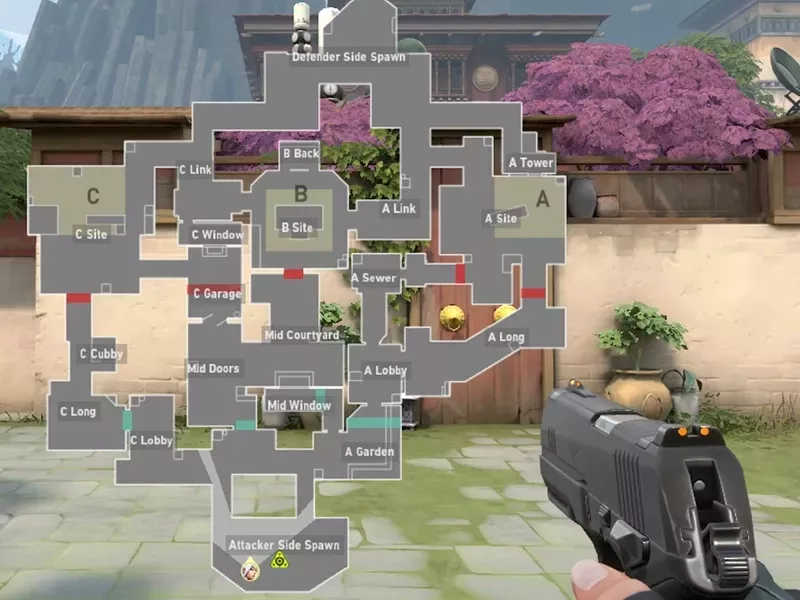
Understanding team map pools creates the most reliable edges in Valorant betting. Every team has maps they dominate and maps they actively avoid. The public bets based on overall team strength without considering map-specific dynamics, creating consistent value opportunities.
Start by building a database of team map records. VLR.gg provides this data freely every team’s win-loss record on each of the seven competitive maps. But raw records don’t tell the full story. A team might be 8-2 on Bind because they played weak opponents, while another team is 6-4 against elite competition. Context matters more than surface-level statistics.
Watch teams play their strong maps to understand why they excel there. Maybe Paper Rex dominates Bind because their aggressive playstyle with Raze and Jett perfectly suits Bind’s tight chokepoints and teleporter-enabled rotations. That’s a sustainable edge. If a team has a good record on a map but you can’t identify why when watching, that record might be fluky.
Similarly, understand why teams struggle on specific maps. Cloud9 might avoid Icebox because their defensive setups get exposed by patient attacking teams who clear utility methodically. If Cloud9 gets forced onto Icebox through the veto process, they’re at a significant disadvantage regardless of being the better team overall.
The veto process determines which maps actually get played in a match. Teams ban their worst maps, pick their strongest maps, and whatever remains gets played. Predicting the veto requires knowing each team’s map pool preferences. If Team A is strong on Bind, Haven, and Ascent while Team B excels on Icebox, Split, and Lotus, you can predict the veto will likely result in maps where neither team has massive advantages. But if Team A is weak on Icebox and Team B can force it through the veto, that creates betting value on Team B for that specific map.
Map-specific betting markets are softer than overall match winners because less attention and money flow through them. The odds might correctly price Team A as a -150 favorite for the series, but if map one is their weakest map against an opponent who specializes there, the map one odds might not fully reflect that disadvantage. Betting individual maps based on detailed pool analysis creates edges that don’t exist in match winner markets.
Agent composition analysis adds another layer. Some teams are one-dimensional, running the same agents on every map regardless of opponent. Other teams adapt compositions based on matchups. If you’re facing a Viper-heavy team on Icebox, you want agents who can push through Viper walls and clear her setups. A team locked into rigid compositions struggles when opponents specifically counter their standard setup.
Track map pool evolution throughout a season. Teams practice new maps, add them to their rotation, or abandon maps where they’re struggling. A team that was 2-6 on Split early season might be 6-2 in their last eight Split matches after solving their issues. Using outdated map data leads to incorrect probability assessments and missed value opportunities.
Economic System Exploitation
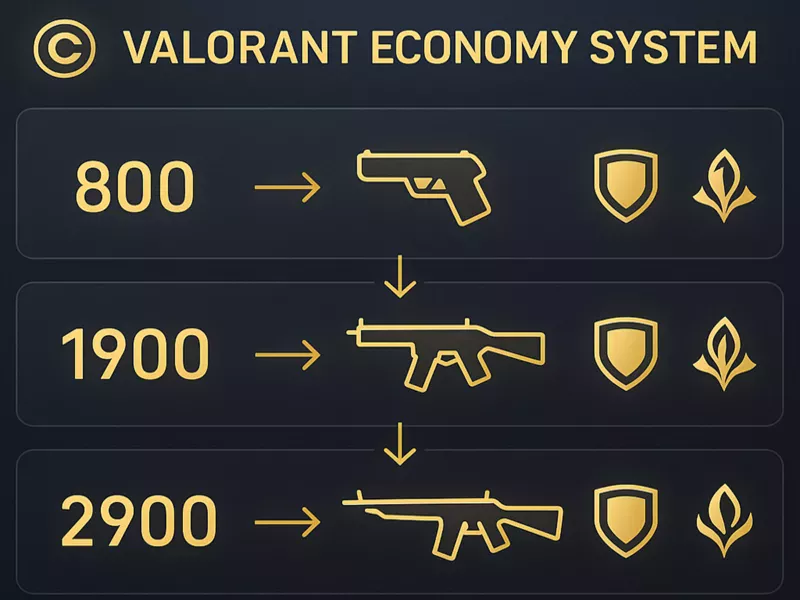
Valorant’s economic system creates predictable patterns that most casual bettors ignore completely. Understanding economy gives you information about upcoming rounds that the score alone doesn’t reveal.
Teams start each half with 800 credits. Winning rounds earns credits plus loss bonus resets. Losing rounds increases loss bonus up to a cap, providing more credits for future rounds. This creates rhythms where teams intentionally forfeit “eco” rounds to save credits for full buy rounds where they have rifles, abilities, and armor.
When watching matches or checking live scores, track each team’s economic state. A team that just lost a crucial buy round is likely broke for the next round or two. They’ll eco, meaning pistols with minimal utility. The team with economy has rifles and abilities, making them heavily favored to win these eco rounds often 80% or higher win probability.
Live betting markets don’t always price eco rounds accurately. A team might be -200 to win the next round when they’re on full buy versus opponent’s eco. But -200 implies only 66.7% win probability when the true probability is closer to 80%. That’s exploitable value, especially since you can identify these situations live by tracking economy.
The reverse situation also creates value. If a team just won an eco round they were supposed to lose, bookmakers and public bettors might overreact. The winning team is still broke heading into the next round unless they got enough round-ending kills to build partial economy. Don’t let one unlikely eco round victory convince you that team has momentum justifying heavy favorites odds for the following round.
Force buy situations are when broke teams buy partially maybe light armor and SMGs or pistols with full utility. These rounds have more variance than pure ecos but still heavily favor the team with full economy. Understanding when teams force versus eco requires watching their tendencies. Some teams almost always force, others play economically conservative. Knowing team-specific tendencies helps predict round outcomes.
Economy resets happen when a team loses enough consecutive rounds that both teams essentially start fresh economically. These reset moments create unpredictable rounds because both teams have similar buying power. The previous economic advantage disappears. If you were betting based on economic edge and a reset occurs, reassess the situation rather than assuming your previous advantage persists.
Pistol rounds have outsized importance because winning the pistol round creates economic advantage for the following two to three rounds. Statistics consistently show pistol round winners take 70% or more of the subsequent rounds due to this economy cascade. Some teams excel at pistol rounds despite being mediocre in full buy situations. Betting pistol round markets specifically requires analyzing pistol round statistics rather than overall team strength.
Regional Playstyle Matchup Understanding

VCT operates across four regions with distinct playstyle characteristics. When regions clash at international tournaments, these style differences create edges for bettors who understand the matchup dynamics.
VCT Americas plays aggressive, aim-heavy Valorant. Teams take duels confidently, peek aggressively to create space, and rely heavily on mechanical skill. This works well within Americas because everyone plays similarly the team with better aim usually wins. But this aggressive style has exploitable weaknesses against different regional approaches.
EMEA favors tactical discipline and utility efficiency. Teams execute structured strategies, clear angles methodically with util before peeking, and play percentage Valorant that minimizes risk. When EMEA faces Americas, the matchup often favors EMEA because disciplined utility usage punishes reckless peeking. Americas teams walk into perfectly set up crossfires because they’re used to opponents peeking back rather than playing patient.
However, EMEA’s structured approach struggles against Pacific’s chaotic explosiveness. Pacific teams play controlled defaults that suddenly explode into full site executes with multiple agents committing abilities simultaneously. EMEA’s patient style gets overwhelmed when Pacific decides to sprint onto site with everything. The discipline that beats Americas aggression becomes a disadvantage against Pacific’s calculated chaos.
Pacific struggles against Americas for different reasons. When Pacific tries their explosive executes against Americas teams, they often get out-aimed in the chaotic situations they create. Americas players are comfortable in scramble scenarios and have the mechanical skill to win random duels. The playstyle that beats EMEA structure gets countered by Americas aim.
China is still developing regional identity but generally shows individual mechanical excellence with less refined team coordination. Chinese teams often win aim duels against any region but struggle with macro strategy and mid-round adaptations. Against Americas, Chinese teams compete mechanically but make strategic errors. Against EMEA, they get frustrated by structured defenses. Against Pacific, matchups are unpredictable because both regions are still figuring out optimal approaches.
These regional dynamics aren’t absolute rules. Individual team quality matters most. But when teams are roughly equal in raw talent, regional matchup dynamics provide tiebreakers for betting decisions. If an Americas team faces an EMEA team at Masters and odds are close, lean EMEA unless you have specific reasons believing this Americas team adapted their playstyle to handle EMEA discipline.
Tracking how teams perform internationally versus regionally reveals which organizations adapt well to different styles. Some teams dominate their region but consistently struggle internationally because their style doesn’t translate. Paper Rex is Pacific’s best team but historically underperforms at Champions. LOUD elevates at international events beyond their regional results. These patterns inform tournament betting even before matches start.
Roster Change Impact Assessment
Player transfers significantly affect team strength, but betting markets don’t always price roster changes accurately. Being ahead of the market on evaluating roster moves creates edges.
When a top team acquires a star player from another organization, the public and bookmakers often overvalue the improvement immediately. Reality is most rosters need time to integrate new players, develop chemistry, and establish communication patterns. The first few weeks after a roster change frequently see worse performance than the stable pre-change roster, even when the new player is objectively better individually.
Conversely, when a mid-tier team makes a smart signing that isn’t splashy, markets undervalue the improvement. Maybe they sign a young player from tier-two competition who’s been dominating but lacks name recognition. The team is suddenly much better, but odds don’t reflect it because the public doesn’t know the new player. These situations create value betting on the improved team before their results force market adjustments.
Role changes within existing rosters also matter. When teams move players to different agents or site positions, there’s adjustment period. A player might be elite on Jett but mediocre on Chamber. If the team shifts him to Chamber because they need that role filled, the team gets worse despite the roster staying identical. Tracking role changes through team communications and pre-season announcements helps identify these situations before they manifest in match results.
Coaching changes affect teams more than most bettors realize. A strong coach provides strategic depth, opponent preparation, and mid-game adjustments. When an elite coach joins a talented but underachieving roster, expect significant improvement. When a successful team loses their coach, expect decline even if the players remain. Coaching impacts aren’t immediate they compound over weeks as the coach’s influence permeates team strategy.
Following Valorant news beyond just match results keeps you informed about roster moves before they become public knowledge. Players sometimes hint at transfers on social media weeks before official announcements. Rumors on Reddit or Discord occasionally prove accurate. By the time roster changes are officially announced, betting markets often already adjusted. Getting information early lets you bet before markets move.
Don’t overreact to single matches after roster changes. A new player has a terrible debut, and public opinion swings negative. Maybe that player was adjusting to team comms and will improve rapidly. Or a new roster wins their first match convincingly, and everyone assumes they’re elite. Maybe they faced a weak opponent. Give roster changes multiple matches before drawing strong conclusions about impact.
Live Betting Momentum Recognition
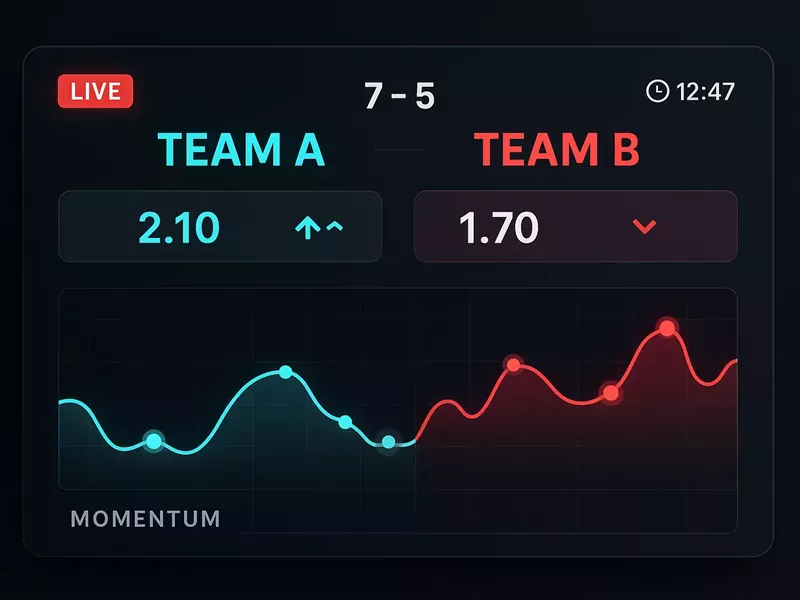
Live betting creates unique opportunities because odds update constantly based on score and recent events. Understanding true momentum versus variance helps identify value.
Real momentum exists when a team solves their opponent’s strategy mid-match. Maybe they figured out the opponent’s site default and now know where to stack defenders. Or they identified which agent the opponent relies on for executes and started specifically targeting that player. These adaptations create genuine edges that persist for multiple rounds. When you see strategic adaptation happening, bet accordingly even if the score doesn’t yet reflect the advantage.
Fake momentum is when random variance creates a streak that looks like one team is dominating. Maybe the losing team actually played three rounds well but lost all three to lucky timings or clutch situations. The score shows 3-0, but the actual gameplay was competitive. Casual observers see the score and assume the winning team is superior, but you can identify that variance will regress and upcoming rounds are more even than odds suggest.
Tilt is real and observable. A team loses a round they should have won maybe someone whiffs an easy kill or they make a blatant strategic error. You see them start making impulsive decisions in the following round, taking unnecessary peeks or forcing bad situations. They’re tilted, and their win probability for immediate upcoming rounds drops significantly beyond what statistics would predict. Betting against tilting teams provides value.
Economic momentum compounds with psychological momentum. A team wins pistol round, wins the following two buy rounds off their economy advantage, and suddenly they’re up 3-0 with full economy for round four while the opponent is broke. They have both economic and psychological edges. The odds might price the next round accurately, but the overall map odds might not fully account for how difficult clawing back from 3-0 is psychologically even when economies eventually equalize.
Timeout usage provides information about team state. A team burning their timeout at 0-3 signals they’re struggling and need to regroup. That’s both good they’re trying to fix problems and bad they had problems severe enough to burn timeout early. A team saving timeouts until critical moments like 11-11 shows discipline and confidence. These details matter for live betting assessments.
The first few rounds of each half are less predictable than mid-round play because teams haven’t yet adapted to each other’s strategies that half. Round four through ten typically see the most strategic clarity once both teams established patterns. Live betting is often most profitable during these middle rounds when you understand team tactics but odds haven’t fully adjusted to strategic advantages.
Avoiding Recency Bias Systematically
Recency bias is the most common error in betting analysis. Recent results dominate perception while older, more representative data gets ignored. Building systematic approaches that weight information appropriately prevents this.
When a team wins three straight matches, the public assumes they’re peaking and will continue winning. But check who they played. Maybe all three opponents were bottom-tier. Maybe the wins were close 2-1 affairs where they barely scraped by. A 3-0 record against weak competition in close matches doesn’t indicate sustainable excellence, but recency bias makes both public and bookmakers overvalue the team.
Conversely, a strong team losing two straight to elite opponents gets undervalued. The losses look bad on record, but checking context reveals they were competitive against championship-caliber teams. That team is still excellent and likely underpriced in their next match against a mid-tier opponent because their recent record looks weak.
Develop a system for weighting match results based on recency and opponent quality. Recent matches matter more than matches from two months ago rosters change, metas shift, team form varies. But recent matches against weak opponents matter less than slightly older matches against strong competition. Creating a weighted rating system prevents recency bias while still acknowledging that recent information is more relevant.
Track longer-term patterns beyond the last few matches. A team’s record over their last twenty matches provides more signal than their last three. A team’s performance across a full season matters more than their performance this week. Short-term variance is massive in small samples. Regression to long-term mean is a powerful force that recency bias prevents you from utilizing.
Pay attention to schedule difficulty. A team on a five-match winning streak might have faced an easy schedule, while a team on a three-match losing streak might have faced the five toughest opponents in the region consecutively. Adjusting for schedule strength reveals true team quality that raw records obscure.
The meta impacts recent results differently than older results. If a major patch dropped two weeks ago changing agent balance, results before the patch have limited relevance. Teams that adapted quickly to the new meta look strong in recent results, while teams still running old strategies look weak. But the team running old strategies might just need adjustment time before they’re competitive again. Understanding meta timing prevents overweighting recent poor results during transition periods.
Specialization Over Generalization
Trying to bet every Valorant match across all regions and tournament types spreads your knowledge too thin. Specializing in specific areas lets you develop genuine expertise and edges that generalists can’t match.
Pick one or two VCT regions to follow deeply. Watching every Americas and EMEA match gives you expert-level knowledge of those regions team tendencies, player capabilities, map pool evolution, coaching impacts. That depth reveals edges that don’t exist when you’re trying to keep up with all four regions superficially. You’ll know when a team’s recent results don’t reflect their true capability, when a roster change will improve or hurt them, which matchups create style advantages.
Build knowledge systematically within your specialization. If you’re focusing on Americas, watch matches regularly, follow team social media, read post-match interviews, track roster moves and meta adjustments. This systematic knowledge accumulation compounds over months into genuine expertise that creates edges.
Bankroll Discipline as Strategy
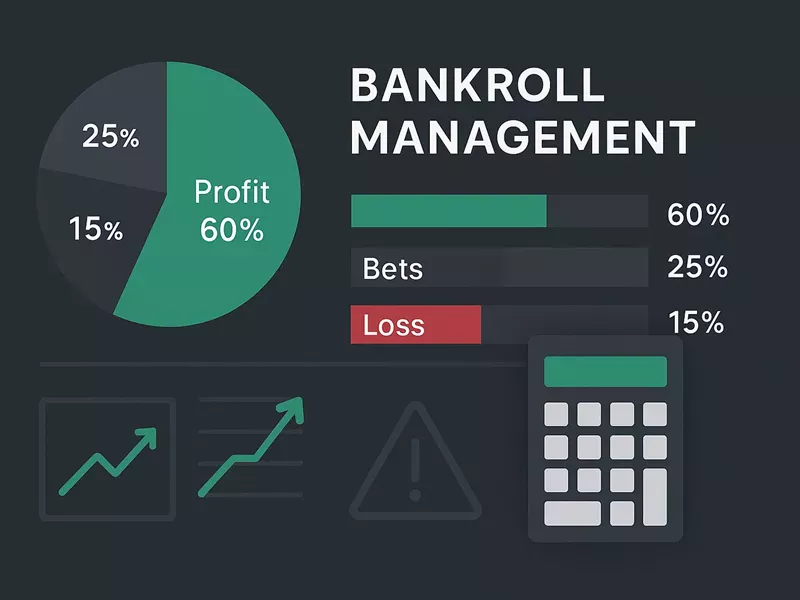
Bankroll management isn’t separate from betting strategy it is strategy. All the analytical edges in the world mean nothing if poor bankroll discipline leads to going broke during inevitable variance.
Set aside a specific bankroll for Valorant betting. This should be money you can afford to lose completely without affecting your life. Maybe it’s five hundred dollars, maybe it’s five thousand the number matters less than ensuring it’s truly expendable. Once you establish your bankroll, operate entirely within it. No adding money from elsewhere when you’re losing. No withdrawing winnings that should stay in the bankroll because you want to buy something. Treat it as a completely separate account.
Kelly Criterion is mathematically optimal bet sizing for those who want sophistication. The formula is edge divided by odds. If you believe you have a ten percent edge on a +100 bet, Kelly says bet ten percent of bankroll. Problem is most bettors drastically overestimate their edge, leading to overbetting that destroys bankrolls. If you use Kelly, use quarter-Kelly or half-Kelly for safety margin.
Track every bet in a spreadsheet. Date, teams, bet type, odds, stake, result, profit or loss. After fifty or hundred bets, calculate your ROI total profit divided by total amount wagered. This reveals whether you actually have an edge or you’re just on a lucky streak. Most bettors have negative ROI when they honestly track results. If you’re break-even or slightly profitable, you’re doing well. If you’re consistently profitable over hundreds of bets, you’ve genuinely found edges.
Review your betting journal monthly. Which bet types are profitable? Which ones consistently lose? Which regions do you handicap well versus regions where you’re blind? Maybe you’re profitable betting Americas underdogs but lose money on EMEA favorites. These patterns reveal where your actual edges exist versus where you think you have edges but don’t.
Set stop-losses to prevent tilt betting. Maybe your rule is no more than three losing bets in one day before you stop. Or if you’re down ten percent of bankroll this week, you take a break until next week. These hard stops prevent emotional spirals where you fire off six desperate bets trying to get even and instead dig the hole deeper.
Accept variance as inevitable. Even if you’re making positive expected value bets consistently, you’ll endure brutal losing streaks. Five, ten, even fifteen losses in twenty-five bets happens regularly to winning bettors because variance is massive. Don’t abandon your process during losing streaks. Don’t get overconfident during winning streaks. Focus on process, not results, and let the math work over time.
Information Edge Development
Betting profitably long-term requires information that most bettors don’t have. Building information edges takes work but creates sustainable advantages.
Watch matches instead of just checking results. Seeing how teams win or lose reveals whether their form is sustainable or lucky. A team winning by clutching impossible situations repeatedly probably isn’t as strong as their record indicates those clutches will regress to the mean. A team losing close matches while dominating statistics is likely better than their record and undervalued by markets using only win-loss data.
Follow team social media and news sources. Player interviews reveal team mental state, internal conflicts, preparation quality, and confidence levels. Coach comments provide insight into strategic direction and roster experiments. Team announcements about bootcamps or practice schedules indicate seriousness and preparation. This qualitative information doesn’t appear in statistics but affects performance significantly.
Track coaching changes and behind-the-scenes staff moves. Analysts, coaches, and management affect team performance but get less public attention than players. When a team hires an elite coach from another org, that’s information suggesting improvement. When a successful coach leaves, expect decline. These impacts take weeks to fully manifest, giving you time to bet before results force market adjustments.
Psychology and Emotional Control
Technical betting skills mean nothing if psychological factors cause emotional decisions that override your process.
Understand that losing is normal and unavoidable. Even the best Valorant bettors win only 55-58% of their bets because the house edge exists and variance is massive. You will lose constantly. Multiple times per week you’ll make correct process decisions that lose due to randomness. Accepting this intellectually and emotionally prevents tilt.
Separate your identity from betting results. You’re not a genius when you win three straight and you’re not an idiot when you lose three straight. Results over small samples are mostly noise. Your value as a person and your intelligence are completely unrelated to whether Sentinels covered the spread. This detachment prevents emotional swings that lead to bad decisions.
Be honest with yourself about actual edge. Most bettors overestimate their advantage by large margins. If your betting journal shows negative or break-even ROI over one hundred plus bets, you probably don’t have the edge you think you do. That’s okay accept it and either improve your skills or reduce your betting until you genuinely develop advantages. Pretending you’re unlucky when you’re actually just not good enough prevents necessary improvement.
Putting Strategies Into Practice
Understanding strategies intellectually is step one. Implementing them consistently is where actual results come from.
Start with one or two strategies rather than trying to implement everything immediately. Maybe you begin by focusing on map pool analysis and shopping odds across bookmakers. Master those completely before adding economic system exploitation or live betting momentum recognition. Building skills incrementally prevents overwhelm and lets you actually develop proficiency in each area.
Schedule specific time for betting analysis. Don’t bet spontaneously whenever you see an interesting match. Set aside dedicated time maybe an hour before VCT matches each day to analyze upcoming games, research teams, and identify value. This systematic approach prevents emotional snap decisions and ensures you’re betting based on analysis rather than impulse.
Review your results and process weekly or monthly. What’s working? What isn’t? Which strategies produce positive ROI? Which ones are draining bankroll? Adjust your approach based on data rather than feel. Maybe map pool analysis is creating consistent value but your live betting attempts are losers. Double down on what works, eliminate or reduce what doesn’t.
These strategies work, but they require actual implementation. Reading about map pool analysis doesn’t help if you never actually build the database and check pools before betting. Understanding economic systems means nothing if you don’t track economy during matches. Knowledge without execution is worthless. Put the work in, stay disciplined, and let the edges compound over time.
Discover complete tournament coverage on the home page.
You can apply these strategies safely by choosing platforms from our list of the best Valorant betting sites.
